
Often January is a month for planning. The new year stretches ahead like the blank pages of a brand new diary. One of the things I am sitting down to plan this January is the planting of our fruit and vegetable garden. I need to decide what to grow and when to sow it. I also need to think about the layout and how to look after the crops once we have planted them. Follow along to see my planning process and learn how to plan your vegetable garden in January.
Planning your fruit and vegetable garden
One of the first things I need to do is look at what vegetables and fruits will be in season. This will help me decide which plants to grow. Some vegetables can be grown all year round, such as carrots, but for most vegetables it is better to plant them when they are in season. As we live in the UK, vegetables and fruits that are in season between February and November include (amongst many many others!):
– vegetables: cabbage, broccoli, parsnips, carrots, swede, tomatoes, cucumber, beans, Brussel sprouts, potatoes, squashes, salad leaves, spinach
– fruit: apples, pears, strawberries, raspberries, melons
It is worth noting that vegetables are usually planted in springtime so they can grow through the summer and be ready for harvesting through the summer and autumn, before winter frosts arrive. However, you might want to plant some vegetables such as potatoes or onions during autumn so they are ready for harvesting in the winter months. Some vegetables even taste BETTER after the first frost, Brussel sprouts for example.
Where should you plant your vegetables?
Once I have decided on the vegetables I want to grow, I need to think about where to plant them. This will depend on a few things – how much space we have in our garden, what kind of soil we have, and the climate in our area. Most vegetables do best when planted in direct sunlight but some, like spinach, can tolerate a little shade.
One thing to keep in mind when planting vegetables is that they need space to grow. If you are planning on growing vegetables in rows, make sure there is at least 30 cm (one foot) of space between each row.
The other important factor when planting vegetables is the soil. Vegetables should be grown in rich, wet soil with excellent drainage to keep them adequately nourished.
Finally, it is important to consider your climate when planning where vegetables should be sown or planted. Some vegetables can tolerate cold temperatures whereas others need hot summers for them to grow properly.
Planning the layout of your garden
After I have considered all of these factors, it is time to start planning the layout of my vegetable garden. I like to sketch out the vegetable patch in a notebook which I keep solely for making notes about the garden. I use a mixture of gardening books and online resources to help me understand which vegetables can be grown next to each other and in which direction they should be planted.
It is important to remember which plants grew where last year as some crops need rotating and not planted in the same bit of soil year on year – brassicas are an example of this. I grew broccoli and Brussel sprouts in 2020, we enjoyed them but I shall grow them in a different part of the vegetable patch in 2021. This helps to avoid disease.
Whilst I am choosing the vegetables and where they will be growing, it is necessary to think about how much space each one needs. Most vegetables need around 30cm between rows to reduce competition for food, water, and light. Some veggies need supports which can take additional space.
Preparing the plot for planting
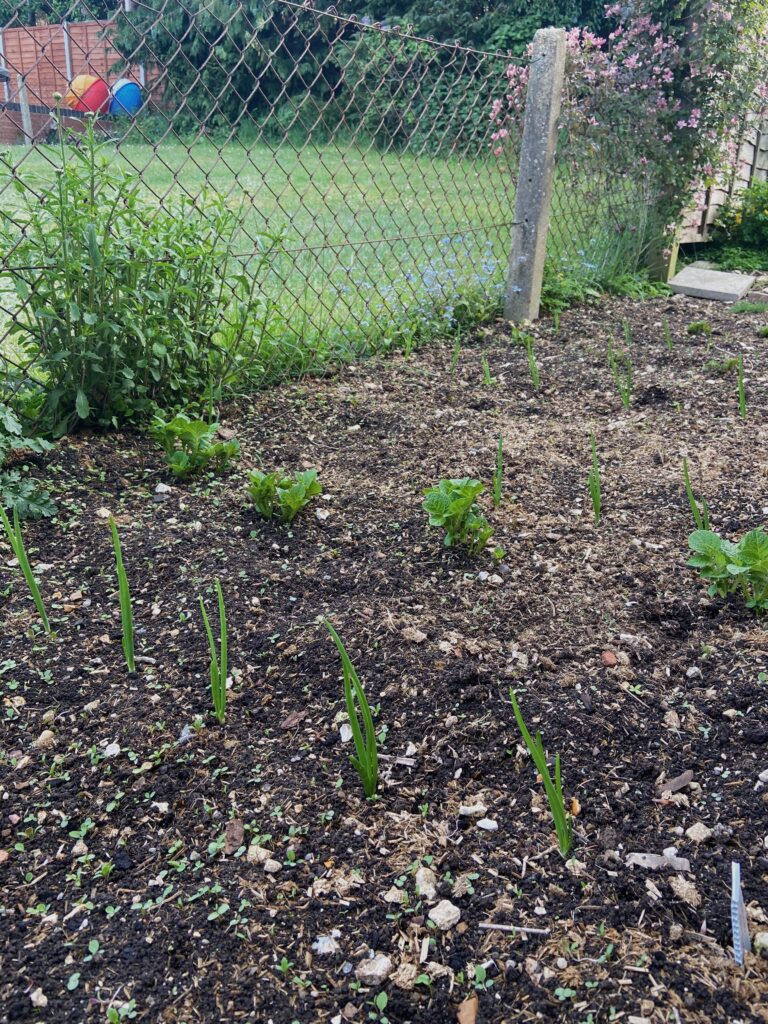
Once I have a plan, it is time to get my garden ready for planting! In December, I put cardboard down on top of the soil to suppress any weed growth. Just before the first seeds are due to be sown, I will need to lift this and make sure the patch is clear of weeds. I will also add some organic matter like compost or manure if needed to prepare the bed for planting.
When planning your vegetables this January don’t forget that there is more to planting vegetables than just buying seeds and putting them into the ground. You need to think about when, where, and how much space each plant needs before it can grow properly. If you follow these simple tips, you will be on your way to a bountiful vegetable garden!
In part two, I will share the plan for our vegetable patch this year. Do let me know if you have begun your plans and what you have picked to grow.
Happy gardening! 🙂
Useful resources to plan your vegetable garden in January
Looking for more information about planning your vegetable garden? Check out some of these helpful resources which I use regularly:
- RHS website has helpful ‘grow your own’ resources
- BBC Gardeners’ World
- The Complete Gardener by Monty Don
- Veg in One Bed by Huw Richards
This post is part of my reflections on the 2022 Lifegiving Home Challenge. In the challenge, we are working through Sally Clarkson’s book, The Lifegiving Home: Creating a place of belonging and becoming. In January the theme is routines, rhythms and rituals. Planning our bigger projects, like the garden, form an important part of my January rhythm.
Leave a Reply