
Reducing single-use plastic has been hitting the headlines in a major way over the last few years. From Whales dying after ingesting tonnes of plastic waste to the ban on micro-beads, it is more apparent than ever before of the impact plastic is having on our world.
I’ve grown up in a family that has always encouraged environmental awareness. My Dad has worked in renewable energy, resource management and energy efficiency for decades. As an engineer, says his goal is invent technology that leaves the world a better place. What an inspiration!
I have become quite lazy in my choices which have actually meant my lifestyle is not as environmentally friendly as I first think. Yes I recycle, I try and reduce what goes into our landfill bin, I try to buy recycled products or things that can be recycled. However, my single-use plastic consumption is pretty high and there are a number of products around our home that could be better for the environment.
This post is about little steps to reducing single-use plastic waste in our daily lives. These quick wins mean we can start to be more environmentally conscious with our lifestyle. Some of these are ‘back to basics’ but it has been a good way to remind myself of what we can do and to check our habits are really the best they can be to protect our world for the next generation.

Recycling everyday waste
Recycling has never been easier. It is still a bit of a postcode lottery but for most households you can recycle most plastics, paper, cardboard, metal and glass from the comfort of your own home. In the centre of town we have a central ‘Tetrapak’ recycling point which also takes soft plastics. Our council doesn’t offer food waste collections and we don’t currently compost because there have been an increase in rats in our local area which we didn’t want to encourage so this is an area I am looking to improve in.
Each local council actually recycles plastics differently which is quite disappointing as it means there is still a lot of plastic that goes into the landfill unnecessarily through lack of technology or investment. For example some councils will only recycle plastic bottles yet their neighbours will recycle plastic food trays, pots and tubs as well. In the UK, you can check out what your council will recycle using the Local Recycling look-up tool. If you aren’t impressed with what your council is doing to increase recycling then don’t forget to get in touch with your local area councillor to lobby them!
Saving single-use plastic from landfill
Here are a few plastic items that you can recycle:
Plastic carrier bags and wrapping
Most major supermarkets will take single-use plastic carrier bags, food bags (i.e. bread bags), plastic wrap used on toilet rolls, bubble wrap, freezer bags and plastic can holders for recycling. These don’t have to go in the bin! Just look for the carrier bag collection bins in your local supermarket.
Plastic food trays and punnets
Some local councils will accept trays and punnets. It is harder for recycling plants to process black trays so this is not as commonly accepted. Any clear or opaque meat trays and fruit/veg punnets are increasingly recycled now although you will need to check what your council accepts.
Small plastic electrical items
Many councils will now recycle small plastic electrical items like kettles and toasters, so long as they are no bigger than a standard carrier bag size you can place them with your recycling bin and stop them going to landfill.
The usual single-use plastic bottles, cleaning sprays pump mechanisms (although not those for soap dispensers, check out better alternatives below), plastic tubs and pots are widely recyclable.

Switch out your veg
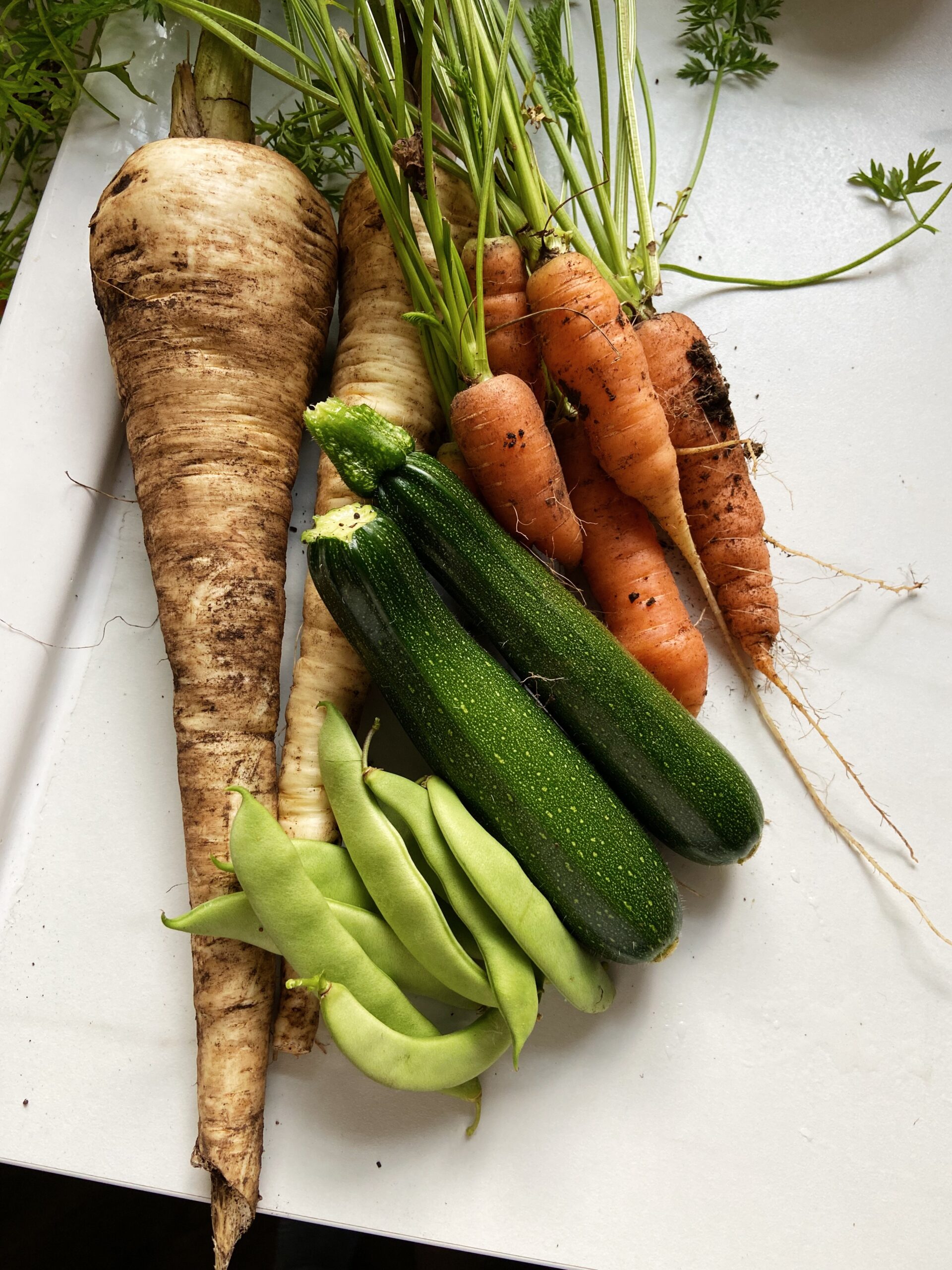
I am getting increasingly more infuriated with the amount of single-use plastic wrap I could see in the supermarket, particularly covering fruit and veg. I just can’t understand why the bananas are often only available wrapped in plastic, they even have their own wrappers naturally! For many years we bought our vegetables from a local farm who run a veg box scheme. Since we’ve moved house and gained a wonderful garden, we managed to grow most of our seasonal vegetables through the spring and summer. If that is stretching your time and resources a little too far then do consider getting a veg box delivered straight to you which provides plenty of in-season, organic veg. It is super fresh and also always provides different vegetables than you might usually choose which is great for broadening your diet and keeping seasonal with food choices. Compared to the equivalent amount of veg from the supermarket it is vastly better value and has the added benefit of being delivered in a big cardboard box with no plastic wrap! Similar veg box programmes run across the country, for those near to Portsmouth we used to use Wayside Organics.
Since moving away from Portsmouth, we used Oddbox which reduces waste ‘imperfect’ fruit and vegetables from going to landfill. They try to use as little single-use plastic as possible and deliver fresh, seasonal produce to you at home. We haven’t needed a veg box since June as we’ve been able to grow enough for our family in our garden however as we are now in a ‘hungry gap’ as I haven’t mastered winter crops yet, we will be ordering again!
Eco-friendly baby – reusable nappies
One of the biggest differences we can make as parents trying to be environmentally conscious is by using reusable nappies. We’ve ‘cloth bummed’ since our son was born and it really has been a very straight forward swap. As he is our first child and we used reusable nappies from the moment he was born, we don’t know any different! I’m going to share another post soon on all we have learned about cloth nappies but the most important bit of advice I have is to get into a routine with it. It isn’t difficult to keep on top of the washing with a simple routine which leaves you with plenty of beautifully clean nappies at your fingertips. We have also found that having lots of different style nappies has been helpful. Different styles work better at different points of babyhood from the chubby leg days to energetic toddler. Seeking reliable advice has been helpful when problem solving. Two Little Pickles is a good place to start, as are The Nappy Gurus. I can hand on heart say that we find them more reliable than disposables and far far prettier!

Bathroom alternatives to reduce single-use plastics
When I looked around at our consumables I noticed another type of single-use plastic that is difficult to recycle and this was in our bathroom. We were keen to change our plastic toothbrushes and single-use pump-action soap dispensers which are both particularly hard to recycle. Bamboo toothbrushes are one simple way that you can get rid of single-use plastic from your bathroom, these are almost entirely plastic free with the only plastic being nylon mix BPA free bristles. The handle can either be put into the compost or used in the garden as a plant splint or label. My favourite is currently Humble Brush which you can buy from the high street and online. You can buy them with soft and medium bristles for both adults and children, available online at Two Little Pickles for £4 each.
The other easy switch in your bathroom is swapping a single-use pump-action soap dispensers for either refillable soap dispensers or bar soap. The lovely people at Splosh offer hand soap refills that contain enough soap for six dispensers therefore reducing the plastic waste overall. Admittedly the refill is in a plastic pouch but can be reused once returned to Splosh. You can also buy liquid soap refill pouches from Ecover and Faith In Nature. I love pretty refillable soap dispensers like this glass effect one which look far nicer in your bathroom than a plastic bottle anyway.
Period Products
Before I had my son I had also switched from using disposable period products to using a menstrual cup. This is a reusable cup which is inserted like a tampon but which is made from medical grade rubber, easily sterilised in between uses. I LOVED this swap, it was super easy and I found it much better than reusable menstrual pads which I didn’t find particularly comfortable. I am yet to try period pants but I hear they are quite transformative!
On-the-go Solutions
One of the areas that I find hardest to avoid single-use plastics is if I need to grab some food whilst out when I haven’t organised a picnic or brought enough supplies with me. Most shop-bought sandwiches and salads wrapped in non-recyclable single-use plastic can be frustrating. I have to admit that I sometimes don’t look very hard for an alternative but there are a few things you can do to reduce your single-use plastic waste when buying take out food. Finding a cafe or restaurant that will do takeaway food usually means you can ask for sandwiches wrapped in paper rather than plastic or get a salad in a cardboard box rather than a plastic carton. If you have time, eat in, not only is it better for you to take half an hour out to mindfully eat but you also reduce your waste right down as there is no packaging involved. To save money and waste, invest in some good quality leak-proof tupperware that you can pack lunch in from home and reuse as many times as you like. Win-win!
The Bees Knees
I hate food waste and so have always been quite careful to not throw food away. What I’ve realised is that in the process of saving food from the bin, I tend to use a lot of plastic wrap or food bags. In my hunt to reduce single-use plastic in the kitchen, I’ve switched to Beeswax Wraps. Not only do I love the bright colours and multi-use wraps (you can use them as pouches, covers for bowls and even icing bags!) but they’ve lasted for years with very little maintenance required. I’ve sourced mine from The Beeswax Wrap Co who are a British company based in the Cotswolds. Tin foil can also be quite wasteful so is another good thing to avoid if possible. The manufacturing process is not good for the environment and not many councils will recycle it. These beeswax wraps can take the place of clingfilm and tin foil in most situations although are not oven-safe.
Quick wins
Here are a few more swaps you can make that will begin to further reduce your plastic waste:
- Say no to plastic straws
- Carry a fork or spoon with you and say no to plastic ones if you do grab a takeaway
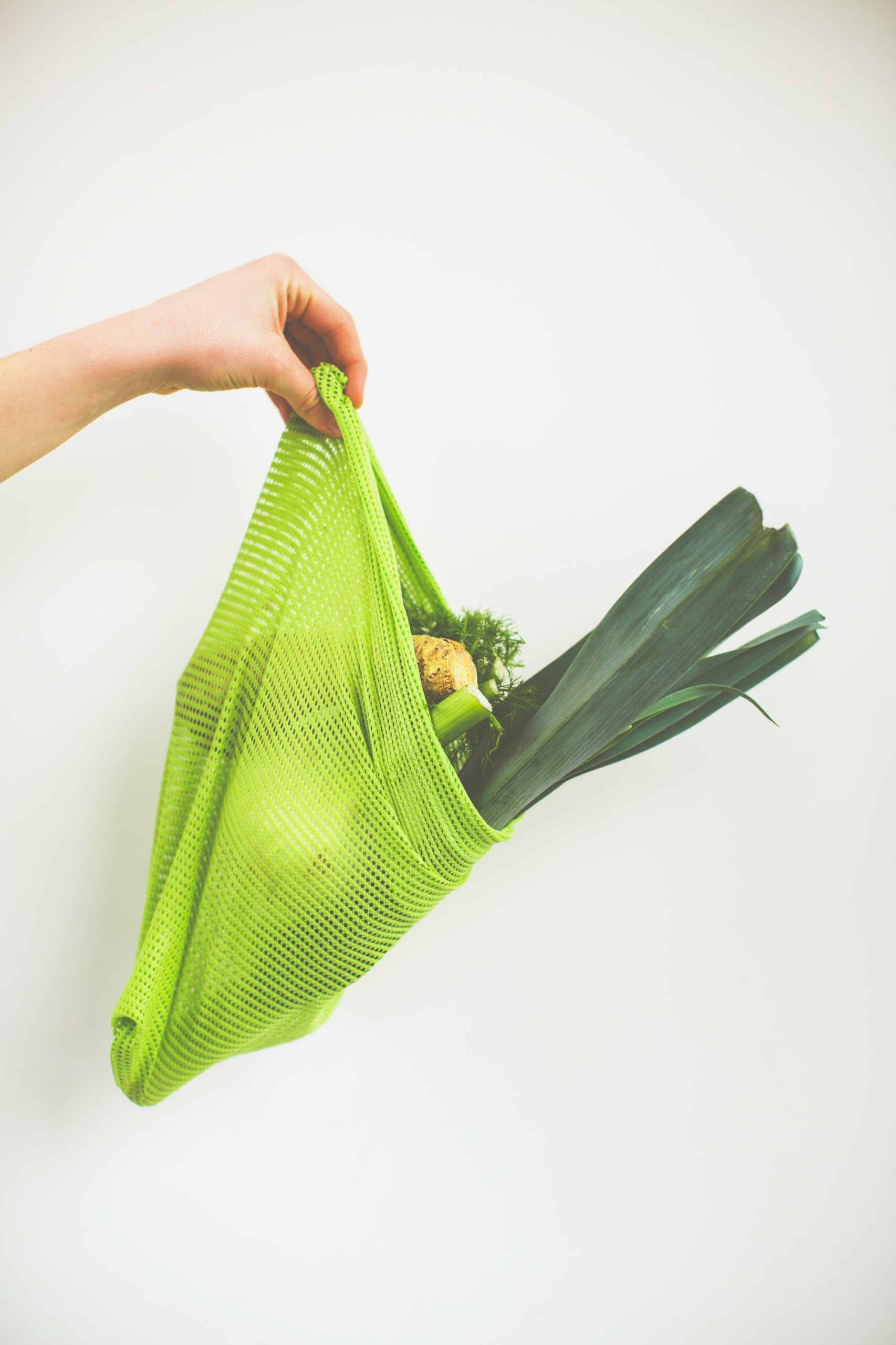
- Always have a fabric carrier bag with you
- Ask for paper and cardboard wrapping when buying fresh food
- Take your own water bottle with you and refill
- Avoid hot takeaway drinks cups
- Wrap gifts in paper rather than foil or plasticised gift wrap which is not recyclable
Hopefully this post might have got you thinking about some of the quick ways you can reduce single-use plastic in your daily life. I am shocked about how much plastic is getting into our environment, food chains and oceans. I feel so strongly that we do have to each make changes in order to affect wider change. There is no point saying ‘I’m only one person’ because we will never see a better world for our children unless we choose to say ‘no thank you’ to single-use plastic.
What else do you do to reduce your impact on the environment? Please share your tips!
Great post, definitely lots of ideas I can think about.
Ally xx
When I see our trash bin filling up, I feel so upset with myself, but on the other hand, it can be so overwhelming to change. Thank you so much for sharing these ideas — definitely some pointers I hadn’t thought of before!! Best regards! ♻️🌍💚
This is such great information and very encouraging. I have been taking a look at how we can do a better job in our home of being more environmentally friendly so this post was exactly what I needed.
Thanks for stopping by! I’m glad you found it encouraging, it really is just about the little steps – one by one. Good luck!